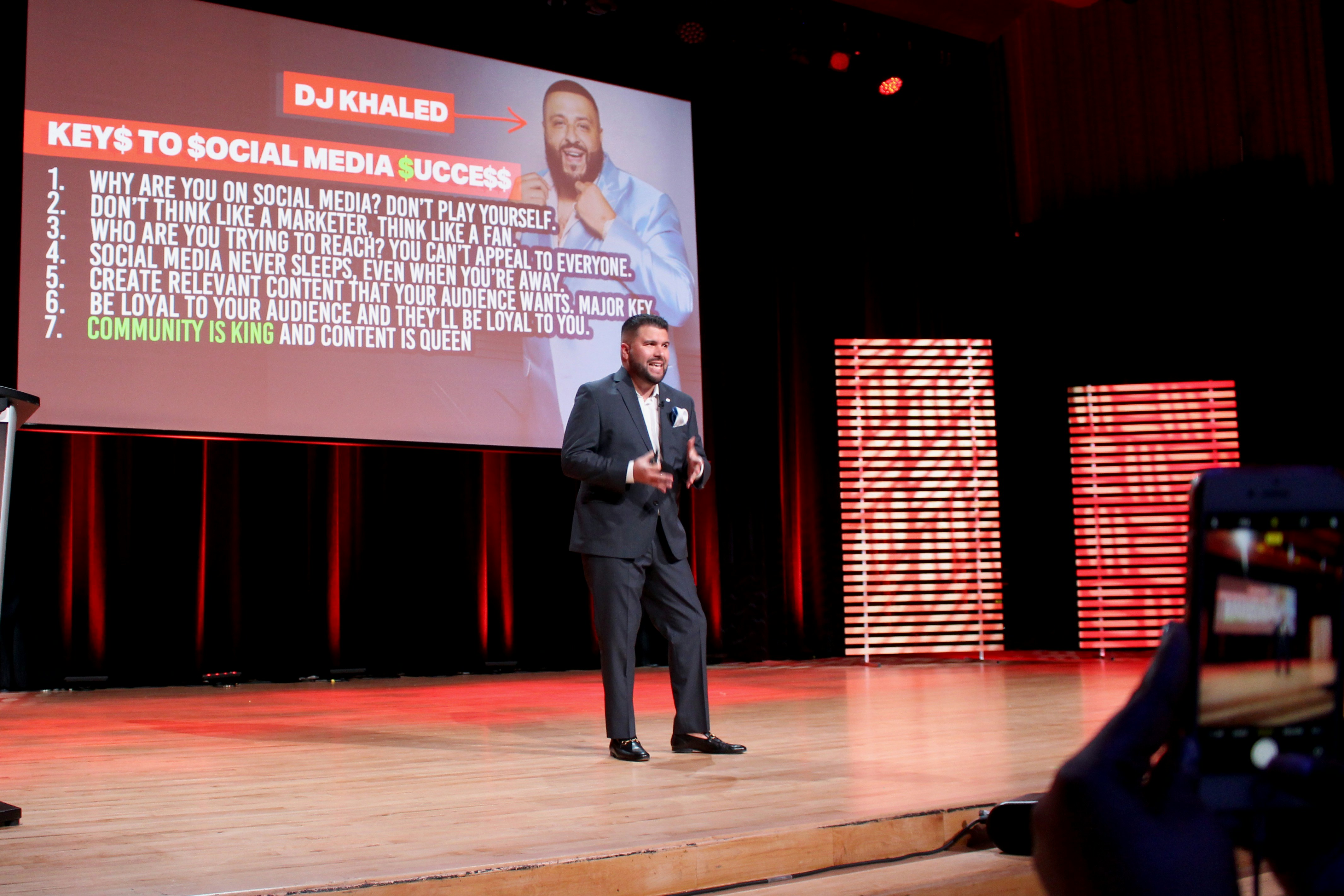
Introduction to Social Media Marketing
Social media marketing is a digital marketing strategy that leverages social media platforms to connect with and engage potential customers. This approach has taken on increasing importance in today’s business landscape, as more individuals and communities turn to platforms such as Facebook, Instagram, Twitter, and LinkedIn for information, interaction, and entertainment. With over 4.7 billion active social media users globally, the reach and influence of social media are undeniable.
The evolution of social media marketing has been profound. Initially, businesses viewed social media merely as an extension of their existing marketing efforts; however, it has since transformed into a crucial element of their overall marketing strategy. Today, brands utilize social media not only to promote their products and services but also to foster relationships, gather feedback, and enhance customer experience. The interactive nature of social media empowers consumers, allowing them to share their opinions and experiences, which in turn shapes brand perception.
Statistics highlight the relevance of social media in modern marketing. According to recent studies, approximately 91% of businesses utilize social media platforms as part of their marketing strategies, reflecting a 7% increase from previous years. Furthermore, 73% of marketers believe that their efforts through social media have been effective in driving their business objectives. This trend emphasizes the essential role social media plays in influencing consumer behavior, allowing businesses to target specific demographics and interact with consumers in real-time.
As the digital landscape continues to evolve, so too does the significance of social media marketing. Companies that adapt and innovate their approaches will likely experience growth and success in an increasingly competitive marketplace.
Understanding Your Audience
In the realm of social media marketing, comprehending your target audience is paramount for achieving successful business growth. Knowing your audience allows businesses to create effective strategies that engage and connect with potential customers. A key method to facilitate this understanding is the development of buyer personas, which are semi-fictional representations of ideal customers based on market research and real data about your existing customers.
Creating detailed buyer personas helps businesses to tailor their messaging, content, and marketing strategies to resonate with specific segments of the audience. These personas should include demographic information such as age, gender, location, and income level, as well as interests, behaviors, and pain points. By understanding these layers, marketers can create targeted campaigns that address the unique needs and desires of different audience segments.
Furthermore, leveraging demographic data enables businesses to refine their social media advertising efforts. For example, platforms like Facebook and Instagram offer advanced targeting options that allow marketers to reach users based on their interests and behaviors. This means that businesses can deliver tailored content directly to those who are most likely to engage, ensuring that marketing efforts are not wasted on uninterested parties.
Analyzing audience interests and online behaviors also provides insight into the type of content that resonates most effectively. By monitoring engagement metrics, businesses can identify what content encourages likes, shares, and comments. This data-driven approach not only enhances brand engagement but also fosters a stronger relationship with the audience over time.
Overall, understanding your audience is a foundational aspect of social media marketing. By employing buyer personas, and utilizing demographic data coupled with interests and behaviors, businesses can optimize their strategies to achieve higher engagement, better performance, and ultimately, sustainable growth.
Creating Engaging Content
Creating engaging content is crucial for businesses aiming to harness the power of social media marketing for growth. Audiences are often inundated with a variety of posts daily, making it imperative for brands to produce content that captivates and retains attention. Types of content that resonate effectively with audiences include images, videos, stories, and infographics.
Visual content, in particular, plays a significant role in engaging users; posts that incorporate high-quality images tend to receive more interactions. Videos, on the other hand, offer the advantage of storytelling and can convey complex information in an easily digestible format. Platforms such as Instagram and TikTok have shown that short, engaging videos can lead to significant user interaction and virality.
Moreover, incorporating stories into social media posts allows brands to present their narrative in a relatable way, creating an emotional connection with viewers. Storytelling fosters authenticity, which today’s audiences appreciate and seek in their interactions with brands. As customers increasingly opt for brands they consider genuine, establishing a transparent narrative can enhance brand loyalty.
Another essential element of creating engaging content is ensuring it is shareable. This can be achieved by incorporating memorable visuals, thought-provoking messages, or relevant calls to action. Content that adds value, whether it is educational or entertaining, encourages users to share it within their networks, thus extending its reach.
In conclusion, the combination of visual elements with authentic storytelling greatly enhances content engagement on social media. By focusing on creating relatable narratives and incorporating shareable formats, businesses can effectively capture their audience’s interest and drive growth through social media marketing.
Utilizing Paid Advertising
Paid advertising on social media platforms is a pivotal strategy for businesses seeking growth in today’s competitive digital marketplace. Various options are available, including pay-per-click (PPC), display ads, and sponsored content. Each method serves distinct purposes and caters to different marketing goals.
Targeted ads are one of the most significant advantages of utilizing paid advertising. Platforms such as Facebook, Instagram, LinkedIn, and Twitter offer advanced audience segmentation features that allow businesses to finely tailor their ads to reach specific user demographics. This audience segmentation can be based on factors such as age, gender, location, interests, and online behavior, enabling companies to focus their marketing efforts on high-potential customers. For instance, a business selling fitness apparel can target individuals interested in health and wellness, ensuring their ads reach those most likely to engage with their products.
Additionally, retargeting ads enhance the effectiveness of paid advertisements by re-engaging users who have previously interacted with a brand. For example, if a user visits a website and browses products without making a purchase, retargeting ads can remind that individual of their previous interest by displaying relevant ads across their social media feeds. This strategy has proven successful in increasing conversion rates, as it keeps a brand visible to potential customers and encourages them to reconsider their purchasing decision.
Successful advertising campaigns, such as those implemented by well-known brands like Nike and Airbnb, demonstrate the efficacy of targeted and retargeting strategies. Nike’s targeted ads, which highlight user-generated content and relatable athlete experiences, resonate deeply with their audience. Similarly, Airbnb’s retargeting ads showcase previously viewed properties, effectively drawing users back to complete their bookings. These campaigns exemplify how strategic paid advertising can lead to significant business growth and enhanced brand loyalty.
Building a Strong Brand Presence
Consistent branding across social media channels is paramount for fostering a strong brand presence. In a digital landscape saturated with information, clarity and coherence in branding help a brand stand out and remain memorable. When businesses present a unified voice, style, and messaging, they strengthen their brand identity and enhance their visibility.
To maintain a cohesive voice across social media, businesses should first define their brand persona. This includes identifying the brand’s values, mission, and target audience. By establishing these core elements, businesses can tailor their communication style to resonate with their audience effectively. Using a consistent tone—whether professional, casual, or humorous—further supports the brand’s identity and makes content more relatable.
Visual elements are equally important. Employing a consistent color palette, logo, and typography across social platforms creates a recognizable brand image. Tools like Canva or Adobe can assist in creating visually appealing graphics that align with the brand’s aesthetic. Furthermore, using templates for posts can streamline the design process, ensuring a uniform appearance and reducing the potential for brand inconsistency.
To humanize a brand, storytelling can be a powerful tool. Sharing behind-the-scenes content or employee stories humanizes the brand, making it more relatable and trustworthy. Engaging with followers through comments, messages, and community posts fosters a connection that can enhance loyalty. Brands can also highlight customer testimonials and reviews, showcasing real experiences that establish credibility.
Building trust is crucial for any brand’s sustainability. Being transparent about business practices, admitting mistakes, and showing a genuine interest in customer feedback can significantly enhance a brand’s reputation. Implementing these strategies will not only solidify a brand’s presence across social media channels but also foster customer loyalty and engagement, further contributing to business growth.
Engaging with Followers
In the realm of social media marketing, engaging with followers is pivotal for fostering a vibrant online community that can significantly enhance business growth. One effective method of interaction is by promptly responding to comments and messages. Acknowledging user contributions not only shows appreciation, but also encourages further dialogue, making followers feel valued and heard. Regular engagement can lead to a more loyal customer base, where individuals feel a personal connection with the brand.
Another effective strategy is to host live sessions. These interactive gatherings provide businesses an excellent avenue to connect with their audience in real-time. By discussing relevant topics, addressing customer inquiries, or showcasing new products in a live format, businesses can foster a sense of transparency and authenticity. This not only humanizes the brand but also allows for direct feedback, which can be instrumental in refining products or services.
Utilizing polls and Q&A formats is also a valuable way to engage followers effectively. These tools allow businesses to gather insights into customer preferences and opinions, while simultaneously making users feel involved in the decision-making process. Polls can range from simple questions about product preferences to more in-depth inquiries about future offerings. Implementing such strategies cultivates a dynamic and engaging environment.
Furthermore, creating regular content that prompts discussion can also bolster engagement. Questions posed at the end of posts, challenges directed towards followers, or simply sharing user-generated content can further enhance interaction rates. By prioritizing genuine engagement and creating a supportive community, businesses can not only drive customer satisfaction but also pave the way for sustained growth in the competitive landscape of social media marketing.
Analyzing and Measuring Success
Measuring the success of social media marketing efforts requires a thorough analysis of specific key performance indicators (KPIs). These metrics offer valuable insights into how effective your social media strategy is in achieving your business goals. One of the primary metrics to consider is engagement rate, which encompasses likes, shares, comments, and overall interaction with your posts. A higher engagement rate indicates that your audience finds your content relevant and appealing.
Another essential metric is reach, which measures how many users have seen your content. This helps gauge the effectiveness of your content distribution strategy and provides an understanding of your potential audience size. Furthermore, tracking follower growth can also be instrumental in assessing the overall success of your outreach efforts. An increase in followers may signal that your content resonates well or that your brand is gaining traction within your niche.
To monitor these key metrics effectively, businesses can leverage a variety of analytics tools. Platforms such as Google Analytics, Hootsuite, and Buffer offer comprehensive features to track and analyze performance on social media channels. These tools can help you identify trends in user behavior, the effectiveness of posts at specific times, and the relative performance of different content types. By utilizing these analytics, businesses can make informed, data-driven decisions to refine their marketing strategies.
As a result, you can adjust your initiatives based on the insights gathered. For example, if certain content types generate higher engagement than others, it may be beneficial to create more of that content. Additionally, setting specific, measurable goals based on historical performance data can guide future social media marketing efforts, ensuring consistent progress towards targeted objectives.
Staying Updated with Trends
In the rapidly evolving landscape of social media, staying updated with trends is crucial for businesses aiming for growth. The social media environment is characterized by constant changes, including the emergence of new platforms, shifts in existing algorithms, and evolving user preferences. Businesses that remain aware of these trends can adjust their marketing strategies effectively, thereby maximizing engagement and reach.
Emerging platforms, such as TikTok or Clubhouse, have transformed the way users interact online, providing new avenues for business outreach. By exploring these platforms, businesses can tap into previously uncharted demographics. For instance, by creating engaging video content on TikTok, brands can connect with younger audiences, fostering brand loyalty and expanding their reach. A company’s willingness to experiment with new platforms often leads to increased visibility and customer engagement.
Alongside new platforms, it is essential for businesses to keep track of changes in algorithms across existing social media sites. Algorithm updates can significantly affect how content is distributed to users; understanding these changes allows businesses to optimize their posting strategies. Moreover, staying attuned to these shifts helps in maintaining relevance, ensuring that content is not only seen but also engages the intended audience. Regular analysis of engagement metrics can inform adjustments to content strategies based on what is resonating with users.
User preferences also play a vital role in shaping social media strategies. Companies should actively monitor trends in user behavior and adapt their content accordingly. Evolving trends—such as an increased demand for authentic storytelling or personalized marketing—highlight the necessity for brands to remain adaptable. By aligning with consumer desires, businesses can foster a sense of community and enhance brand loyalty.
Overall, businesses that prioritize staying updated with social media trends not only enhance their marketing strategies but are also better positioned for growth in an increasingly competitive digital landscape.
Conclusion and Future Outlook
In summary, the strategies discussed throughout this blog post highlight the importance of integrating various social media marketing techniques to enhance business growth. From leveraging targeted content creation to optimizing social media advertising, each approach plays a crucial role in building a strong online presence. Engaging with customers authentically through real-time interactions and employing data analytics for informed decision-making are essential strategies that businesses should prioritize moving forward.
As we look to the future, the landscape of social media marketing is expected to evolve rapidly, driven by emerging technologies and shifting consumer behaviors. The rise of augmented reality (AR) and virtual reality (VR) on platforms like Instagram and Snapchat may create new avenues for immersive and interactive advertising, captivating audiences in unprecedented ways. Furthermore, the increasing emphasis on personalization and privacy is likely to shape how businesses approach their marketing strategies.
In this dynamic environment, it becomes imperative for businesses to stay informed about trends and adapt to changes swiftly. To maximize social media presence, companies must focus on developing innovative campaigns that resonate with their target audience while remaining compliant with regulatory guidelines. This adaptability not only fosters customer loyalty but also propels brands ahead of their competitors.
In conclusion, by implementing the key social media marketing strategies discussed, businesses can enhance their outreach and engagement, ultimately leading to sustained growth. The future of social media marketing presents limitless opportunities, and embracing these strategies now will better position organizations for success in the competitive digital marketplace ahead.